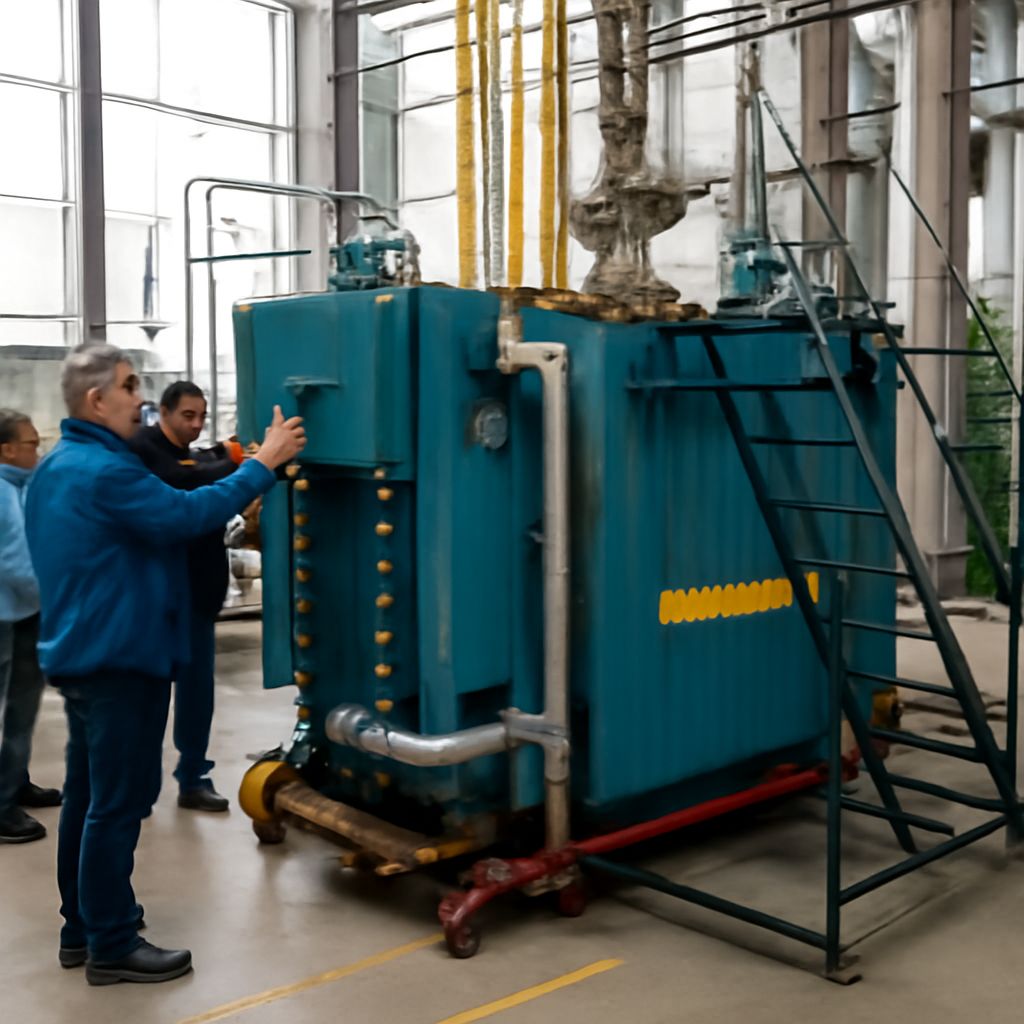
Boilermakers play a crucial role in various industries by constructing, assembling, and maintaining boilers, tanks, and closed vats. These professionals work with large containers that hold liquids or gases, essential for power generation, heating systems, and other industrial processes. Understanding what a boilermaker does is key to appreciating their importance in keeping critical systems operational and safe.
Introduction to Boilermakers
Boilermakers are skilled tradespeople who specialize in building and repairing boiler systems. These systems include boilers, tanks, and other vessels that contain hot liquid or gas. Boilermakers work in power plants, shipyards, refineries, and factories, among other places. Their expertise is vital to ensuring that these large containers function efficiently and safely, minimizing the risk of malfunction or accidents.
Key Responsibilities
The primary responsibilities of a boilermaker include the construction, assembly, and maintenance of boiler systems. They start by reading blueprints and technical diagrams to understand the specifications and layout of the system they will work on. Once the plan is clear, they cut, shape, and assemble metal pieces to fit the design.
Installation is another critical responsibility. Boilermakers connect boilers to water, gas, or oil lines and test the system to ensure it operates correctly. Maintenance and repair are ongoing tasks, requiring regular inspections to identify any wear, leaks, or potential failures. When issues arise, boilermakers are responsible for dismantling, repairing, and reassembling the equipment to restore it to optimal condition.
Essential Skills
Boilermakers need a strong set of skills to perform their duties effectively. First and foremost, they require technical proficiency in reading and interpreting engineering drawings and blueprints. This ability is crucial for understanding the specifications and dimensions of the systems they construct and repair.
Physical strength and stamina are also necessary due to the nature of the work, which often involves heavy lifting and working in confined spaces. Attention to detail is crucial to ensure accuracy in measurements and assembly. Additionally, problem-solving skills are important for troubleshooting and repairing malfunctioning systems.
Effective communication skills help boilermakers work efficiently in teams and follow complex instructions. Safety awareness is paramount, as working with boilers can be hazardous without the proper precautions and equipment.
Industry Applications
Boilermakers are employed in various industries where large-scale heating systems or liquid storage is essential. In the power generation sector, boilermakers ensure that steam boilers, which drive turbines, are in good condition. This role is vital for electricity production and maintaining consistent power supply.
In the oil and gas industry, boilermakers are responsible for the upkeep of pressure vessels and storage tanks, crucial for processing and storing petroleum products safely. Similarly, in chemical plants, they maintain tanks and vats used in the production and storage of chemicals.
The shipbuilding industry also relies on boilermakers to construct and repair boilers used on marine vessels. These boilers are essential for propulsion and onboard heating. Additionally, boilermakers are found in HVAC systems, ensuring that heating and cooling systems operate efficiently in large buildings and industrial facilities.