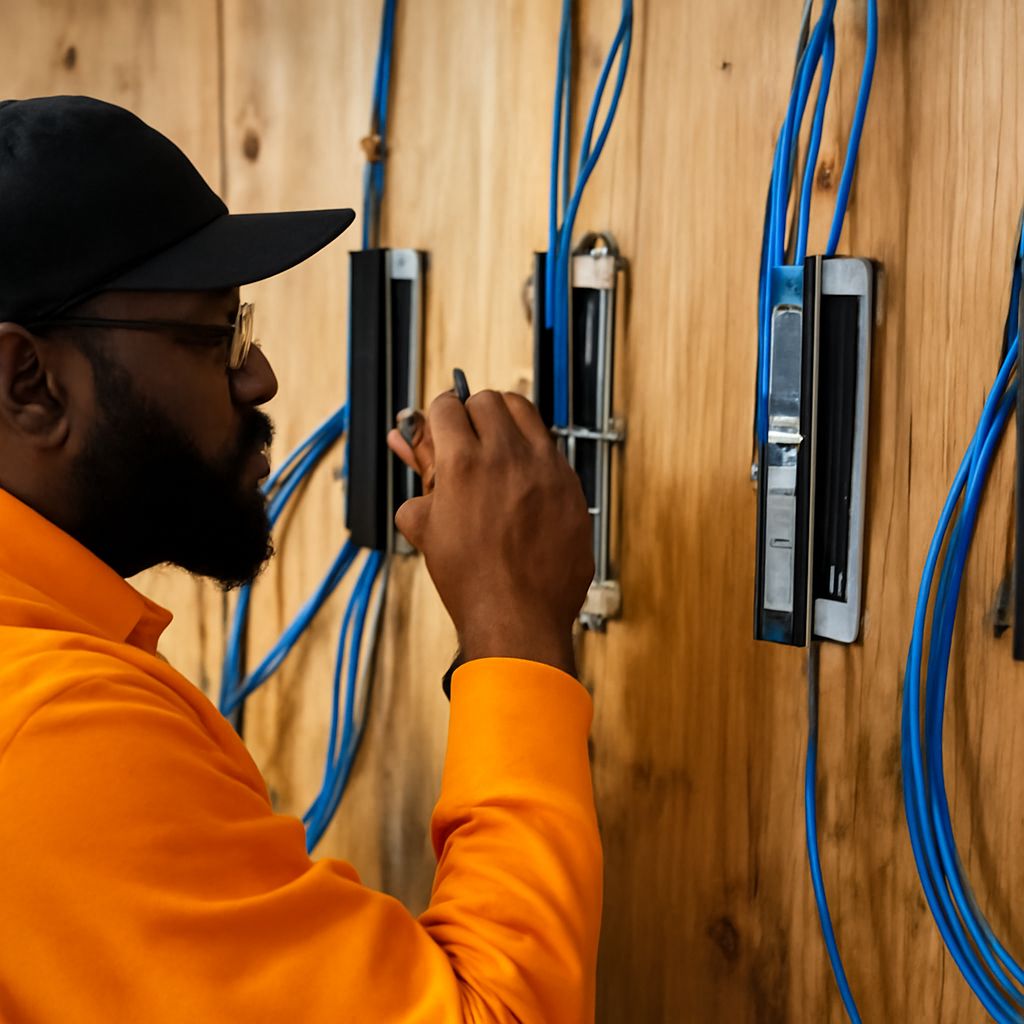
Becoming a cable technician is an excellent career path for those interested in technology and hands-on work. Cable technicians, often referred to as cable installation technicians, play a crucial role in setting up and maintaining the networks that keep us connected. From installing cables and equipment to troubleshooting network issues, their work ensures that homes and businesses have access to reliable communication systems.
What Does a Cable Technician Do?
Cable technicians install, maintain, and repair networking systems. This includes laying out cables, setting up internet and television services, and ensuring signal strength and quality. They may work in residential settings, commercial environments, or even large infrastructure projects.
The role involves a mix of technical skills and customer service, as technicians often interact with clients to explain services and perform installations or repairs.
Key Skills for Success
To succeed as a cable technician, certain skills are essential. Technical skills are at the forefront, including proficiency with tools and an understanding of networking and telecommunications systems. Problem-solving skills are also vital, enabling technicians to diagnose and resolve issues efficiently.
Customer service skills are equally important, as technicians frequently engage with clients. Good communication helps in explaining technical details in simple terms. Physical fitness is also a plus, given the demands of the job, which can involve climbing ladders or working in tight spaces.
Training and Certification
Training for cable technicians typically involves a combination of formal education and on-the-job experience. Many start with a high school diploma or equivalent, followed by specialized training programs or apprenticeships that provide practical experience.
Certification can enhance job prospects and credibility. Organizations like the Society of Cable Telecommunications Engineers (SCTE) offer certifications that validate expertise and can lead to advanced career opportunities.
Career Progression and Opportunities
The career path for a cable technician can be rewarding, with opportunities for advancement. Starting as an entry-level technician, individuals can move up to supervisory roles or specialize in areas like network engineering or system design.
With experience, some technicians transition into project management or training roles, overseeing large-scale installations or educating new technicians. The demand for skilled technicians continues to grow, driven by the expanding telecommunications industry and the constant need for updated and installed systems.
In summary, becoming a cable technician offers a stable and fulfilling career with numerous advancement opportunities. With the right skills and training, individuals can thrive in this essential field.