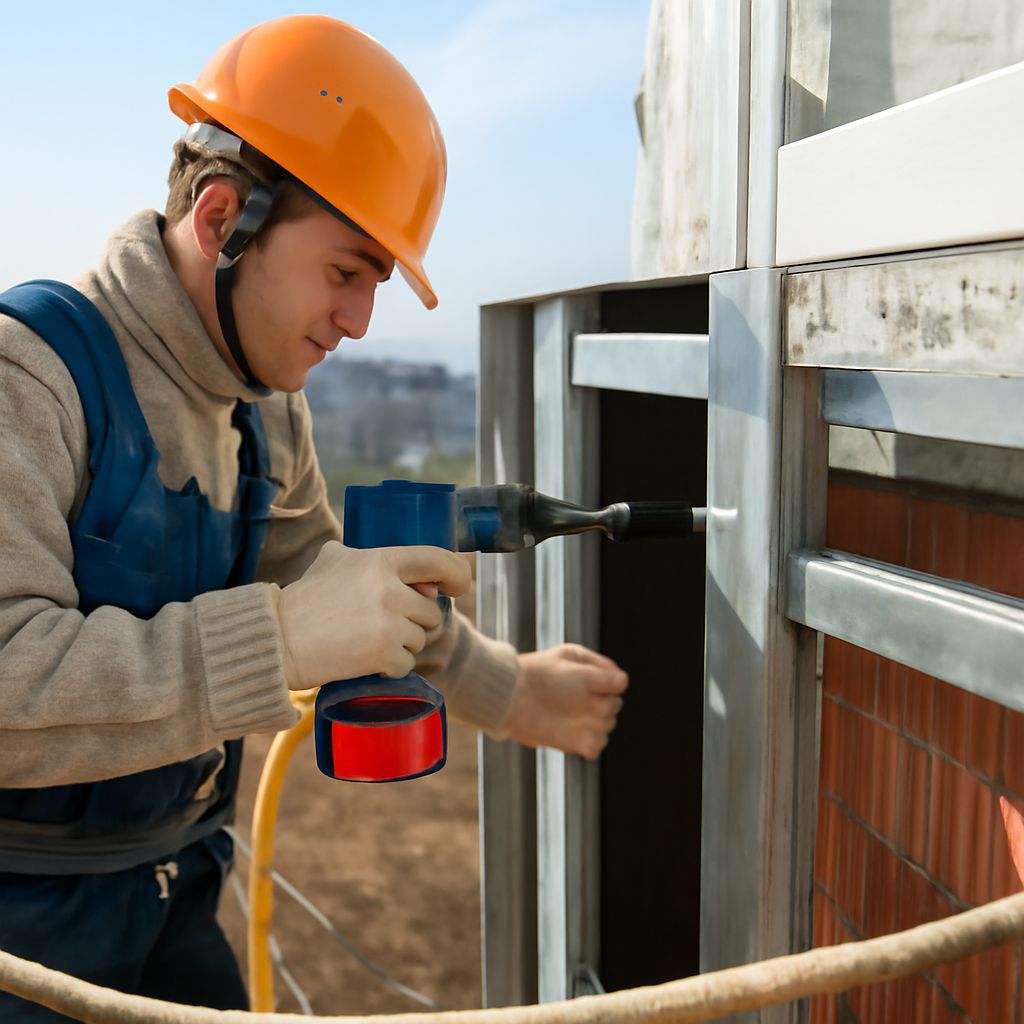
Riggers play a crucial role in industries like construction, shipping, and entertainment. They are responsible for lifting and moving heavy loads safely and efficiently. Understanding the tasks and skills involved in this profession is essential for anyone considering a career as a rigger.
Understanding the Role of a Rigger
A rigger is a professional who specializes in the lifting, moving, and securing of heavy loads. They often work with cranes, hoists, and other lifting equipment to transport materials on construction sites, shipyards, and in various industrial settings. The role requires precision and a deep understanding of equipment and safety protocols.
Key Responsibilities of a Rigger
What does a rigger do in their day-to-day activities? Their primary responsibilities include setting up rigging equipment, ensuring that loads are balanced and secured, and directing crane operators during lifts. Riggers must also inspect and maintain equipment to ensure safety and efficiency.
- Equipment Setup: Riggers assemble and disassemble rigging gear, ensuring that all components are functioning correctly.
- Load Management: They calculate the weight of loads and determine the best rigging method to ensure stability and safety.
- Communication: Riggers communicate with crane operators to guide them during the movement of loads.
- Inspection and Maintenance: Regular checks of rigging equipment are mandatory to prevent accidents and ensure smooth operations.
Essential Skills for Riggers
Being a rigger requires a combination of technical skills and physical abilities. Some of the essential skills include:
- Technical Knowledge: Understanding different types of rigging equipment and their uses is crucial.
- Problem-Solving: Riggers must think on their feet to handle unexpected challenges effectively.
- Physical Strength and Stamina: The job often involves heavy lifting and long hours standing.
- Attention to Detail: Precision is essential to ensure loads are moved safely and efficiently.
Safety Measures and Best Practices
Safety is paramount in rigging operations. Riggers must adhere to strict safety protocols to prevent accidents. Key practices include regular equipment inspections, proper training, and following standard operating procedures.
- Equipment Inspections: Regular checks help identify potential issues before they become hazards.
- Training: Continuous learning and certification ensure riggers are up-to-date with the latest safety standards.
- Use of Personal Protective Equipment (PPE): Wearing hard hats, gloves, and harnesses is mandatory.
- Clear Communication: Effective communication with team members is critical to avoid misunderstandings during operations.
Riggers are vital to the safe and efficient movement of heavy loads across various industries. Their expertise ensures that operations proceed smoothly, minimizing risks and enhancing productivity.