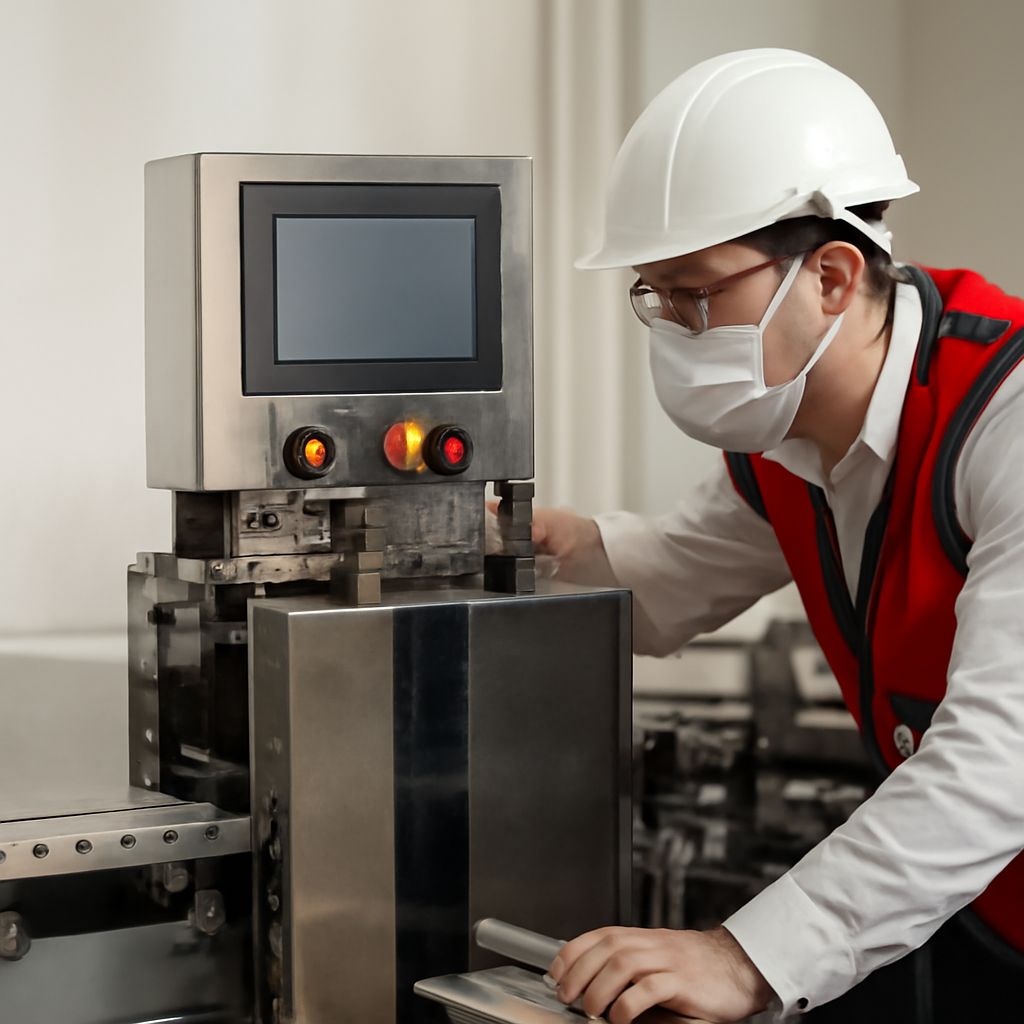
In the manufacturing industry, production workers play a crucial role in keeping the production line running smoothly. They handle various tasks that ensure products are made efficiently and meet quality standards. If you’re wondering what is a production worker, or how they contribute to the industry, here’s a detailed look at their roles and responsibilities.
Definition of a Production Worker
A production worker is a person employed in manufacturing facilities to operate machinery, assemble products, and monitor production processes. They form the backbone of production lines, contributing to the creation of goods across various industries. These workers are essential in transforming raw materials into finished products.
Key Responsibilities
Production workers have a wide range of responsibilities that vary depending on their specific role and the industry. However, some common duties include:
- Operating and maintaining machinery to ensure a smooth production process.
- Assembling products or parts on the production line.
- Inspecting finished products for quality and adherence to specifications.
- Adhering to safety regulations and keeping the work area clean and organized.
- Reporting issues or malfunctions to supervisors for prompt resolution.
Skills and Qualifications
Being a successful production worker requires a blend of skills and qualifications. Employers typically look for candidates with the following attributes:
- Attention to Detail: Ensuring products meet quality standards.
- Physical Stamina: Ability to stand for long periods and handle physical tasks.
- Technical Skills: Experience with machinery and tools used in manufacturing.
- Teamwork: Ability to work effectively with others in a fast-paced environment.
- Problem-Solving: Ability to quickly address and solve production issues.
Some positions may require specific education or certifications, depending on the complexity of the machinery or processes involved.
Daily Tasks in Manufacturing
The daily tasks of a manufacturing worker can vary significantly based on the industry and specific job role. A typical day may include:
- Starting machinery and conducting pre-operation checks to ensure everything is functioning properly.
- Following production schedules and instructions to meet daily targets.
- Continuously monitoring output to ensure it meets quality standards.
- Maintaining equipment and performing minor repairs as needed.
- Documenting production details and reporting discrepancies.
Career Path and Opportunities
Production workers often start in entry-level positions, but there are opportunities for advancement. With experience and additional training, they can move into roles such as:
- Team Leader: Overseeing a group of workers and coordinating tasks.
- Quality Control Inspector: Focusing on ensuring product quality.
- Machine Operator Specialist: Handling complex machinery requiring specialized skills.
- Production Supervisor: Managing entire production lines and staff.
The manufacturing industry offers a range of career paths, allowing workers to grow and specialize in areas that match their interests and skills.