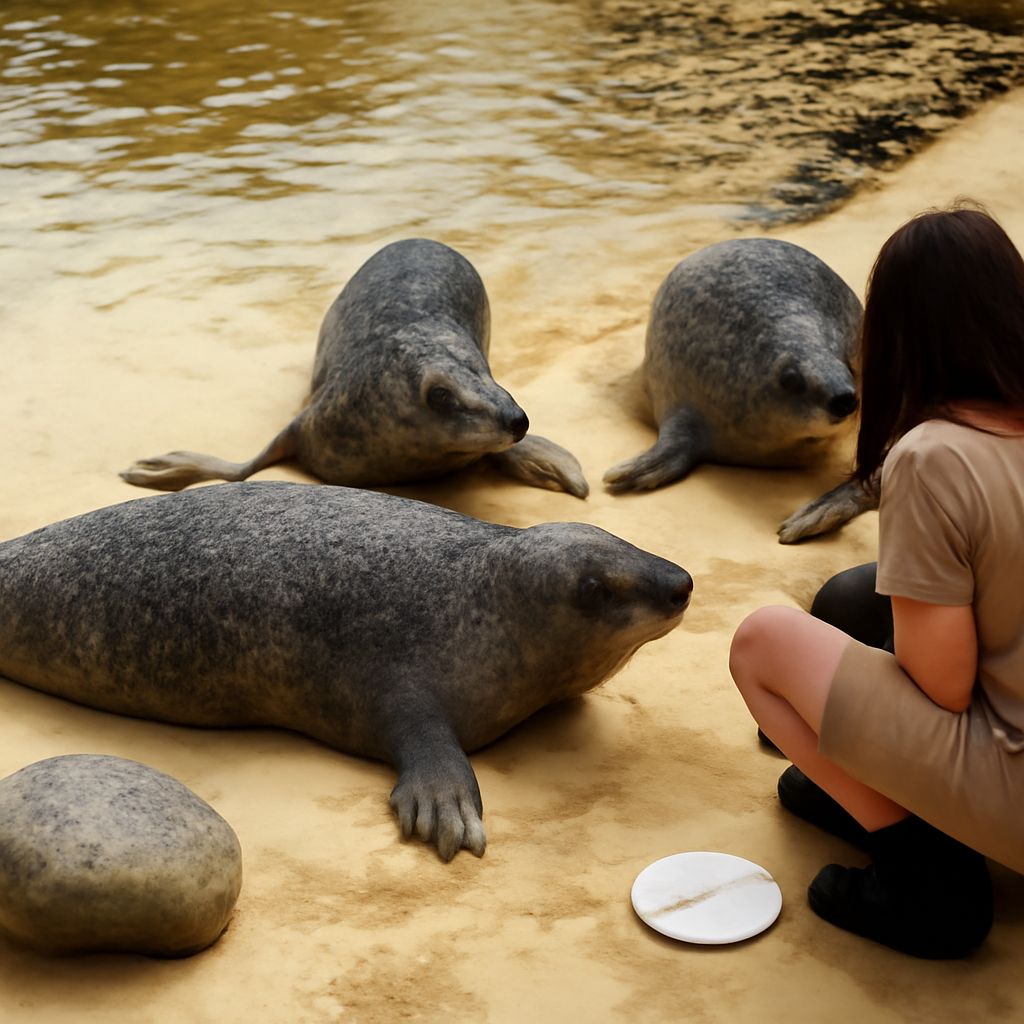
Working as a zookeeper is a hands-on career for animal lovers who want to support wildlife care and conservation. Zookeeping involves more than feeding animals—it combines animal husbandry, education, enrichment, and teamwork. If you want to know how to become a zookeeper, this guide covers the necessary steps, qualifications, and career paths to help you get started.
What Does a Zookeeper Do?
Zookeepers are responsible for caring for animals in zoos, wildlife parks, and conservation centers. Their main duties include preparing diets, feeding animals, cleaning enclosures, and monitoring animal health and behavior. Zookeepers work with a wide range of species, from mammals and reptiles to birds, amphibians, and fish.
Daily responsibilities often include observing animals for signs of illness, injury, or unusual behavior. Zookeepers record detailed notes and report issues to veterinarians. They also maintain exhibits, repair fences, and ensure habitats mimic the animals’ natural environments as closely as possible.
Enrichment is another key part of zookeeping. Zookeepers create activities and challenges—such as puzzles, new scents, or hidden treats—to keep animals mentally and physically stimulated. Public education is also common. Zookeepers may give talks, answer visitor questions, and share information about conservation efforts and species protection.
Teamwork is essential in this career. Zookeepers often collaborate with other keepers, veterinarians, researchers, and volunteers. Safety is always a top priority, especially when working with large or potentially dangerous animals like big cats, primates, or elephants.
Education and Skills Needed
Most zookeeping jobs require at least an associate or bachelor’s degree in a relevant field. Common majors include zoology, animal science, biology, wildlife management, or veterinary technology. Some zoos hire candidates with significant hands-on experience, but a college degree is increasingly standard.
Practical skills are as important as academic knowledge. Zookeepers need strong observation skills to notice subtle changes in animal behavior or health. Physical fitness and stamina are essential, as the job often includes lifting, cleaning, and working outdoors in all weather conditions. Attention to detail helps with record-keeping and following strict safety protocols.
Soft skills are crucial. Zookeepers must be patient, reliable, and able to work well under pressure. Communication is important, both for sharing information with team members and for educating the public. Adaptability is key, since animal needs and zoo priorities can change quickly.
Practical experience with animals—either through internships, volunteering, or part-time jobs—is highly valued. Many aspiring zookeepers gain initial experience at animal shelters, wildlife rehabilitation centers, farms, or veterinary clinics before applying to zoos.
How to Become a Zookeeper: Step-by-Step
-
Earn a Relevant Degree
Start with a degree in zoology, biology, animal science, or a related field. Some colleges offer programs specifically in zoo technology or wildlife management. Coursework typically covers animal behavior, nutrition, physiology, and conservation.
-
Gain Hands-On Experience
Look for internships or volunteer positions at zoos, aquariums, wildlife parks, or animal sanctuaries. Many professional zookeeping roles require at least 1–2 years of animal care experience. Internships let you build practical skills and network with professionals in the field.
-
Develop Key Skills
Work on both technical and soft skills. Focus on animal handling, observation, record-keeping, teamwork, and public speaking. Taking part in enrichment planning or educational programs as a volunteer can help prove your commitment and ability.
-
Apply for Entry-Level Jobs
Check zoo and wildlife organization websites for open positions. Common entry-level titles include “zookeeper,” “animal care technician,” or “animal keeper.” Tailor your resume to highlight hands-on experience, education, and any specialized skills or certifications (such as first aid for animals or animal enrichment training).
-
Prepare for Interviews and Assessments
Be ready to discuss your animal care experience, problem-solving abilities, and understanding of zookeeping duties. Some employers may ask you to complete a practical skills demonstration or written knowledge test. Showing passion for animal welfare and conservation helps you stand out.
-
Continue Professional Development
Once hired, keep learning. Many zookeepers attend workshops, earn additional certifications, or join professional organizations like the American Association of Zoo Keepers (AAZK). Ongoing education helps with career growth and staying current with best practices in animal care.
Career Outlook and Advancement
Zookeeping is a competitive field with more applicants than open positions, especially at well-known zoos. Entry-level keepers often start with routine tasks and gradually take on more responsibility as they gain experience. With time, zookeepers can specialize in caring for specific species, lead animal training programs, or move into senior keeper and supervisor roles.
Advancement often depends on additional education, specialized certifications, and a track record of successful animal care. Some zookeepers transition into related fields such as wildlife rehabilitation, research, conservation education, or zoo management. Others become curators or directors, overseeing animal collections, staff, and facility operations.
Job stability is generally good, since zoos and conservation centers need dedicated staff year-round. However, salaries for entry-level positions tend to be modest compared to other science careers. According to the U.S. Bureau of Labor Statistics, the median annual wage for animal care workers, including zookeepers, was around $29,000 in 2023, but pay can rise with seniority and specialization.
For those passionate about animals and willing to work hard, zookeeping offers a rewarding career full of variety, learning, and the chance to make a difference in wildlife conservation.