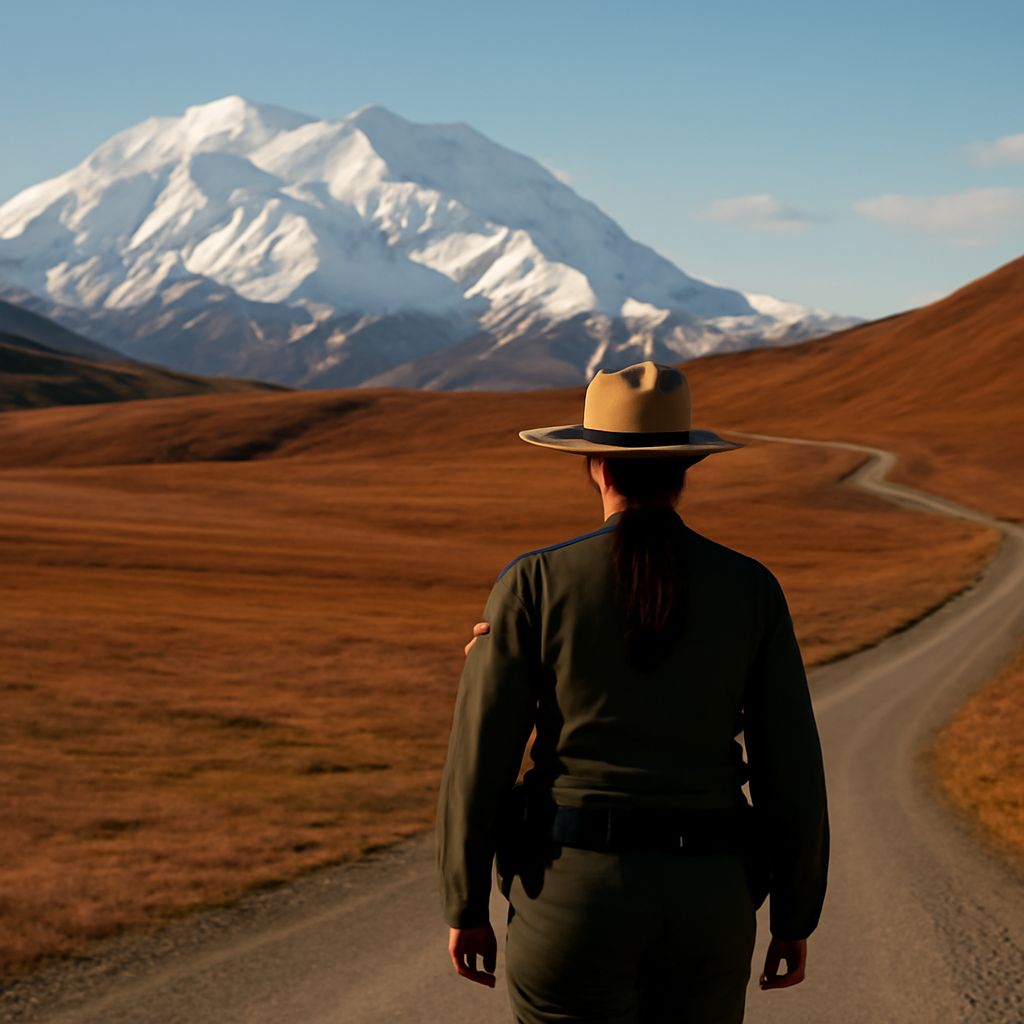
Becoming a national park ranger is a rewarding career for those who love nature, history, and serving the public. National park rangers protect America’s natural treasures, educate visitors, and enforce park regulations. To join this unique profession, you’ll need to meet specific national park ranger requirements related to education, experience, physical fitness, and training. This guide breaks down the essential steps, qualifications, and career information for aspiring park rangers.
What Does a National Park Ranger Do?
National park rangers play many roles, which can vary depending on the park and the position. In general, park rangers are responsible for protecting natural and cultural resources while ensuring visitor safety and enjoyment. Their core duties include:
- Patrolling park grounds to enforce laws and regulations
- Leading educational tours, talks, and programs for visitors of all ages
- Providing emergency assistance, including first aid, search and rescue, and wildfire response
- Monitoring wildlife, plant life, and environmental conditions
- Maintaining trails, facilities, and signage
- Investigating incidents, writing reports, and issuing citations
Some rangers specialize in interpretation and education, while others focus on law enforcement or resource management. Park rangers work in diverse settings, from mountains and forests to deserts, historic sites, and urban recreation areas.
National Park Ranger Requirements
Education and Experience
The primary requirements to be a park ranger with the National Park Service (NPS) depend on the role and level. For federal national park ranger positions, a bachelor’s degree is typically required. Preferred fields of study include:
- Environmental science
- Biology
- Forestry
- Wildlife management
- Parks and recreation management
- History or archaeology (for cultural resource roles)
In some cases, a combination of college coursework and relevant work experience can meet the education requirement. For example, experience in visitor services, environmental education, emergency response, or law enforcement may substitute for some college credits, especially for entry-level park ranger jobs.
Advanced ranger positions, such as supervisory or specialized law enforcement roles, usually require both a degree and significant professional experience.
Physical and Medical Standards
Park rangers must pass physical and medical evaluations to ensure they can safely perform their duties. The physical requirements to be a park ranger include:
- Ability to hike long distances, often in rugged terrain
- Carrying heavy packs or equipment (sometimes over 50 pounds)
- Working outdoors in all weather conditions
- Passing vision and hearing tests
For law enforcement ranger positions, additional fitness standards apply. Candidates may need to pass timed runs, obstacle courses, strength tests, and background screenings. Ongoing fitness is crucial, as law enforcement rangers often respond to emergencies and perform physically demanding tasks.
Certifications and Training
Most national park ranger jobs require specialized training after hiring. Law enforcement rangers must complete the National Park Service Seasonal Law Enforcement Training Program (SLETP) at an approved academy, which covers:
- Federal law enforcement techniques and procedures
- Defensive tactics
- Firearms safety and qualification
- First aid and emergency response
Interpretive and resource management rangers may attend training in environmental education, interpretation, and resource protection. All new park rangers receive orientation specific to their park assignment, covering local hazards, wildlife, and operational protocols.
How to Become a Park Ranger
Follow these steps to launch your career as a park ranger:
- Earn a relevant bachelor’s degree. Focus on natural sciences, parks management, or related fields to meet the typical education requirements.
- Gain experience through internships or seasonal jobs. Many national parks, state parks, and conservation organizations offer seasonal ranger, guide, or maintenance positions that build valuable skills and contacts.
- Complete required training. If you are interested in law enforcement, enroll in a SLETP-certified academy. For interpretive roles, pursue certifications in environmental education or first aid.
- Apply for park ranger openings. Search federal NPS jobs at USAJobs.gov, and check state and local park websites. Prepare a strong federal résumé highlighting your education, experience, and specialized training.
- Pass background, medical, and fitness checks. Be ready for interviews, reference checks, and possible field tests depending on the position.
Competition for full-time national park ranger jobs is strong, so gaining experience in seasonal or volunteer roles can help you stand out. Many rangers start as seasonal employees before securing permanent positions.
Career Outlook for Park Rangers
Park rangers are employed by the National Park Service, state park agencies, and local governments across the United States. According to the U.S. Bureau of Labor Statistics, job growth for park rangers (classified as “forest and conservation workers” or “protective service occupations”) is expected to be steady in the coming years.
Demand for park rangers often depends on government funding, the popularity of parks, and changing visitor needs. National parks like Yellowstone, Yosemite, and Grand Canyon often have the largest ranger staffs, but competition for these positions is high. Entry-level pay for federal national park rangers generally starts between $38,000 and $49,000 per year (GS-5 to GS-7), with higher salaries for experienced or specialized roles. State and local ranger salaries may vary.
While it can take time to land a permanent ranger job, there are many opportunities for advancement. Park rangers may move into supervisory, management, or specialized positions in law enforcement, education, or resource management. For those passionate about conservation and public service, working as a park ranger offers a meaningful and dynamic career path.