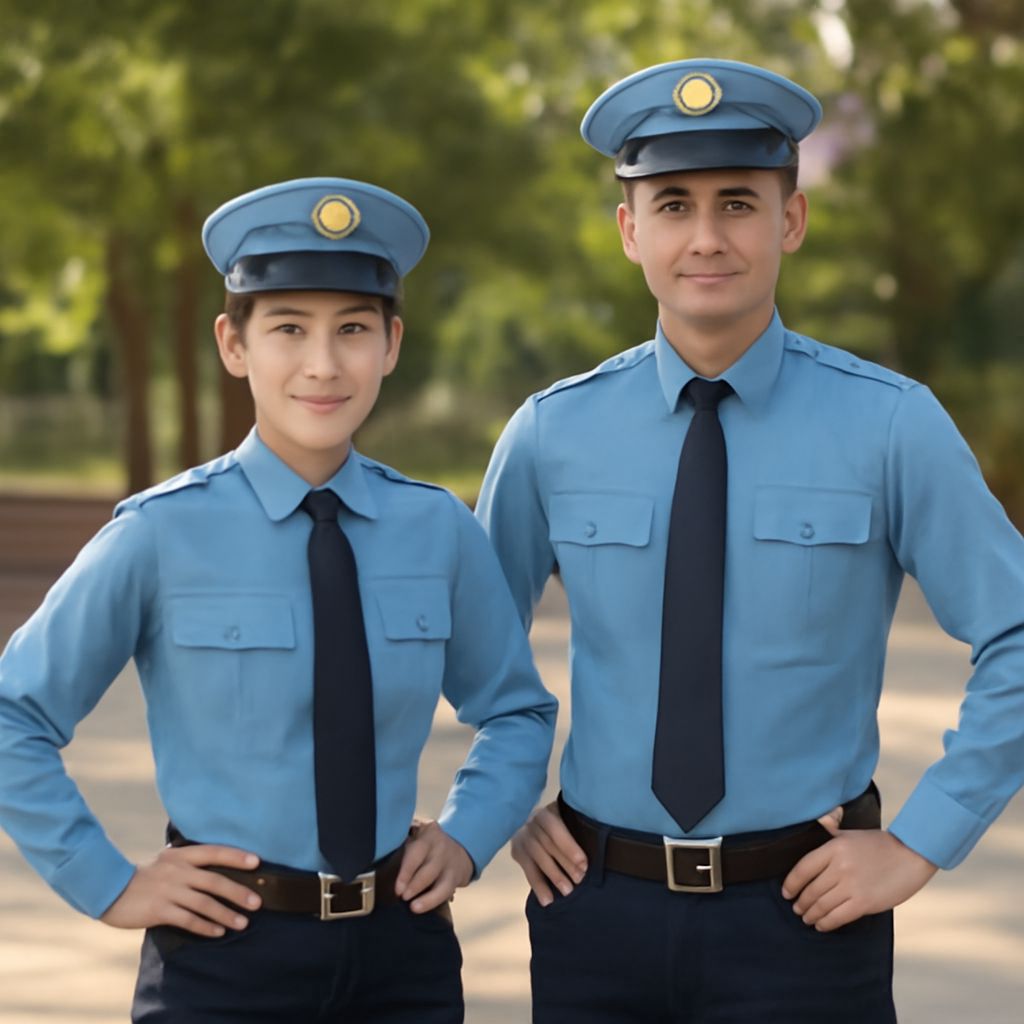
Learning how to be a cop starts with understanding both the demands of the job and the qualifications you need. If you’re considering a career as a police officer, you’ll need to meet specific requirements, follow a clear path through education and training, and cultivate a set of essential skills. Here’s a step-by-step look at what does it take to be a police officer, from the basics to the skills that make officers effective in the field.
Understanding the Role of a Police Officer
Police officers are responsible for protecting the public, enforcing laws, and maintaining order in communities. Their daily duties can include patrolling neighborhoods, responding to emergency calls, investigating crimes, and making arrests. In addition to law enforcement, officers often serve as first responders at accidents or crises and may provide community outreach and education programs.
Being a cop means working irregular hours, including nights, weekends, and holidays. Officers must be prepared for stressful situations, such as handling disputes, controlling crowds, or intervening in dangerous incidents. The role also requires writing reports, testifying in court, and engaging with people from all walks of life.
There are a variety of specialized units within police departments, such as traffic, K-9, detectives, SWAT, and community policing teams. While most officers start in patrol, opportunities for advancement and specialization are available as you gain experience.
One of the most important aspects of being a police officer is upholding both the law and ethical standards. Officers are expected to act with integrity, fairness, and respect for the rights of all individuals they encounter.
Basic Requirements and Qualifications
To start your journey toward becoming a cop, you must meet basic eligibility requirements. While exact standards can vary by state and agency, most departments require:
- Minimum age: Usually 21 years old at the time of hiring (some agencies accept applicants at 18 or 20).
- Citizenship: U.S. citizenship or legal permanent resident status.
- Education: A high school diploma or GED is mandatory. Many agencies prefer or require some college coursework or a degree in criminal justice or a related field.
- Clean criminal record: Felony convictions generally disqualify applicants. Misdemeanors and traffic offenses are reviewed case by case.
- Valid driver’s license: Needed for operating police vehicles.
- Physical fitness: Agencies require a physical ability test covering running, obstacle courses, push-ups, and sit-ups to ensure candidates can perform essential job functions.
- Background check: A thorough review of your personal, employment, financial, and criminal history.
- Psychological and medical exams: These determine your readiness for the challenges of police work.
Some departments require vision and hearing tests. Drug screening is also standard. In addition, a written exam and oral interview assess your judgment, reasoning skills, and communication ability.
If you’re interested in specialized roles—like detective or canine handler—you may need additional training or experience. Some cities and states have specific requirements, so always check the agency website before applying.
The Path to Becoming a Cop
Once you meet the eligibility requirements, the process to become a police officer involves several key steps. Understanding how to be a cop means knowing what to expect at each stage:
- Application and Testing: Submit your application to the police department. Prepare for written exams covering reading comprehension, judgment, and basic math.
- Physical Fitness Test: Complete physical assessments, often including a timed run, push-ups, sit-ups, and possibly obstacle courses.
- Background Investigation: Investigators check employment history, criminal record, financial status, and references.
- Oral Interview: A panel interview evaluates your communication skills, ethical judgment, and reasons for joining the force.
- Medical and Psychological Screening: Medical exams ensure you’re physically capable. Psychological tests confirm mental and emotional resilience.
- Police Academy Training: If you pass previous stages, you’ll enter a police academy program. Academy training typically lasts 12-24 weeks, depending on the state and department.
Police academy instruction combines classroom learning and physical training. You’ll study state and local laws, criminal procedure, report writing, firearms use, self-defense, emergency response, and community policing. Expect scenario-based exercises that prepare you for real-world challenges.
After graduation, you’ll complete a probationary period—usually six months to a year—working under the supervision of a field training officer. This on-the-job phase assesses your performance and decision-making in actual policing situations. Passing the probationary period means you become a fully sworn officer.
Promotions and special assignments require additional testing, strong job performance, and sometimes more education or certifications. Law enforcement agencies often encourage ongoing professional development to keep up with changing laws and technologies.
Skills and Qualities Police Officers Need
If you’re wondering what does it take to be a police officer beyond the basic requirements, it’s important to consider the personal qualities and skills that set strong officers apart. Law enforcement is demanding, so success depends on more than just physical fitness and legal knowledge.
Key skills include:
- Communication: Clear verbal and written communication helps officers de-escalate situations, interact with the public, and write effective reports.
- Problem-solving: Officers must evaluate situations quickly and make sound decisions under pressure.
- Empathy and patience: Understanding diverse perspectives and staying calm during tense encounters is crucial.
- Integrity and ethics: Trustworthiness and the ability to act according to the law and department policies are non-negotiable traits.
- Physical and mental resilience: Policing can be both physically taxing and emotionally challenging, so mental toughness and stress management matter.
- Teamwork: Officers work closely with partners and other first responders, so the ability to collaborate and support others is essential.
Leadership, adaptability, and attention to detail also play an important role, especially for those looking to move into supervisory or specialized positions. Many agencies offer training in crisis intervention, cultural competency, and advanced investigative techniques to help officers develop these abilities throughout their careers.
Becoming a police officer is a serious commitment, but for those with the right skills and motivation, it’s a rewarding path that makes a direct impact on your community.